


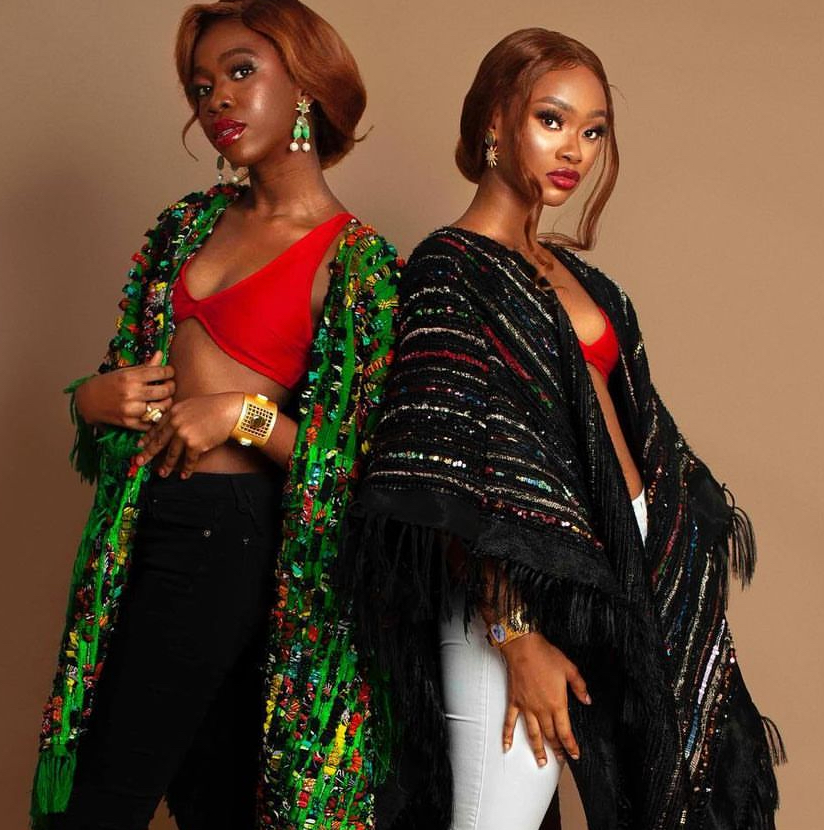

Nigerian fashion is having a major moment—and right at the heart of this cultural wave are two powerhouse textiles: Adire and Aṣọ-Oke. These age-old fabrics, once worn mainly during traditional ceremonies, have become the new global fashion darlings, showing up on international runways, in editorial shoots, and on the streets of Lagos and London alike.
A Brief Origin Story
Adire, a hand-dyed resist fabric traditionally made by Yoruba women using indigo, dates back over a century. Meanwhile, Aṣọ-Oke (meaning “top cloth”) is a woven textile often associated with occasion wear like agbadas, geles, and buba wrappers. It’s famously thick, richly textured, and deeply cultural—woven with symbolism and identity.
The Global Spotlight: From Local to Luxe
Fashion brands and creatives around the world are now turning to these Nigerian fabrics not just for their beauty, but for their rich storytelling. Here’s how they’re being used:
- Adire streetwear collections have popped up in cities like New York, Paris, and Tokyo, often fused with denim, leather, or minimalist tailoring.
- Designers like Maki Oh, IAMISIGO, and Lisa Folawiyo are leading the charge with Adire-focused collections that have gained international press and celebrity clientele.
- Luxury labels and fast fashion giants are increasingly collaborating with African artisans or recreating Adire and Aṣọ-Oke motifs (sometimes controversially) in their seasonal lines.
- Aṣọ-Oke has been reimagined in contemporary silhouettes—structured jackets, bridal gowns, bucket hats, sneakers, even handbags.
The global appreciation for African aesthetics is no longer niche—it’s part of the mainstream fashion conversation.
The Rise of a New Generation in Nigeria
Back home in Nigeria, Adire and Aṣọ-Oke are no longer reserved for weddings or heritage days. They’re now being worn with a bold new twist by young creatives and style enthusiasts:
- Two-piece Adire sets styled with sneakers and designer bags are becoming everyday wear in cities like Lagos and Abuja.
- Aṣọ-Oke corsets, skirts, and kimonos are redefining how Gen Z embraces tradition—blending old-school materials with modern silhouettes.
- Fashion influencers and stylists are incorporating these fabrics into editorial shoots, pop-up fashion shows, and even red carpet looks.
- Local markets in Abeokuta, Ilorin, and Oshogbo are seeing renewed interest in custom dyeing and weaving as demand increases from young fashion designers.
Fashion With Purpose and Power
What makes this trend different is the intention. For many brands and consumers, it’s not just about the aesthetic—it’s about:
- Reclaiming cultural identity
- Supporting local artisans
- Telling authentic African stories through fashion
- Creating economic opportunities in textile-rich communities
Some labels are even offering traceability, allowing buyers to see exactly where and by whom the fabric was made—adding value, transparency, and pride.
Final Thoughts
As global interest in African fashion continues to soar, Adire and Aṣọ-Oke stand at the center of this stylish revolution—blending heritage with innovation, tradition with global appeal. Whether it’s a structured Aṣọ-Oke blazer in Milan or an Adire crop top in Yaba, these fabrics are redefining what it means to wear African fashion today.
One thing is certain: Nigerian textiles are no longer just cultural relics—they are contemporary fashion statements. And their influence is only just beginning.
Written by: Cheeks JS
Your fashion insider and plug for African style, culture, and retail trends.
Follow for more stories that connect Africa to the world through fashion.
Leave a Reply
You must be logged in to post a comment.